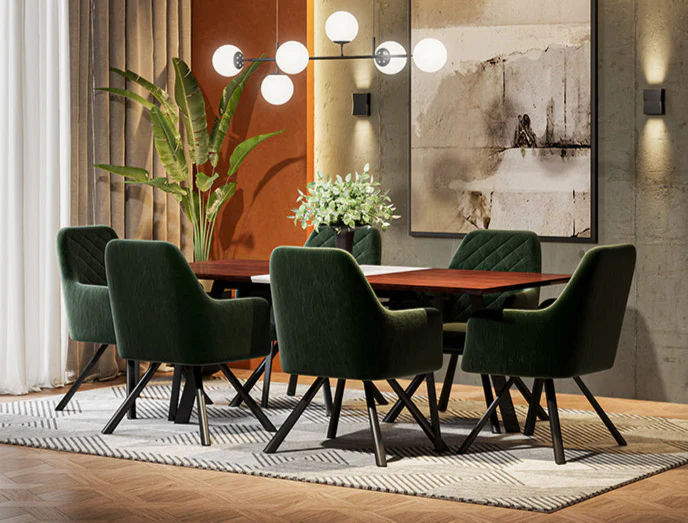
As open-concept living continues to dominate residential design, the demand for dining furniture that balances beauty with adaptability has never been stronger. Interior decorators are increasingly turning to extendable dining sets as a cornerstone solution—pieces that effortlessly transition from intimate family dinners to large-scale entertaining without sacrificing style. The oval table, in particular, has reemerged as a favorite among design professionals for its ability to soften angular rooms while maximizing seating capacity. Yet finding the right extendable dining set remains a genuine challenge. Decorators must navigate a marketplace flooded with mass-produced options that lack the unique character, material integrity, and modern design sensibility their clients expect. A dining set needs to do more than expand; it must elevate the entire room’s aesthetic and withstand years of daily use. This article serves as a comprehensive guide for interior decorators seeking to select, evaluate, and style extendable dining sets that deliver on every front—from visual impact and craftsmanship to practical functionality and lasting durability.
The Essential Role of Extendable Dining Sets in Modern Interiors
An extendable dining set combines a table with a built-in expansion mechanism—whether butterfly leaves, pull-out extensions, or drop-in panels—paired with coordinating chairs designed to accommodate the table’s full range of configurations. What began as a purely utilitarian feature in post-war homes has evolved into a sophisticated design category where engineering meets artistry. Today’s extendable dining sets bear little resemblance to their clunky predecessors; seamless mechanisms hide within sleek silhouettes, and extended surfaces maintain visual continuity rather than appearing as awkward afterthoughts. The versatility these pieces offer is unmatched in dining room furniture. A couple hosting a weeknight dinner for two can enjoy an intimate table scale, then expand the same surface to seat eight or ten guests for weekend gatherings—all without storing bulky additional furniture or rearranging the room. For urban apartments and open-plan layouts where every square foot matters, this adaptability is transformative. The extendable dining set has become a staple in contemporary homes precisely because it respects both the spatial constraints and the social ambitions of modern living, making it an indispensable tool in any decorator’s repertoire.
Why Interior Decorators Prioritize Stylish Dining Sets
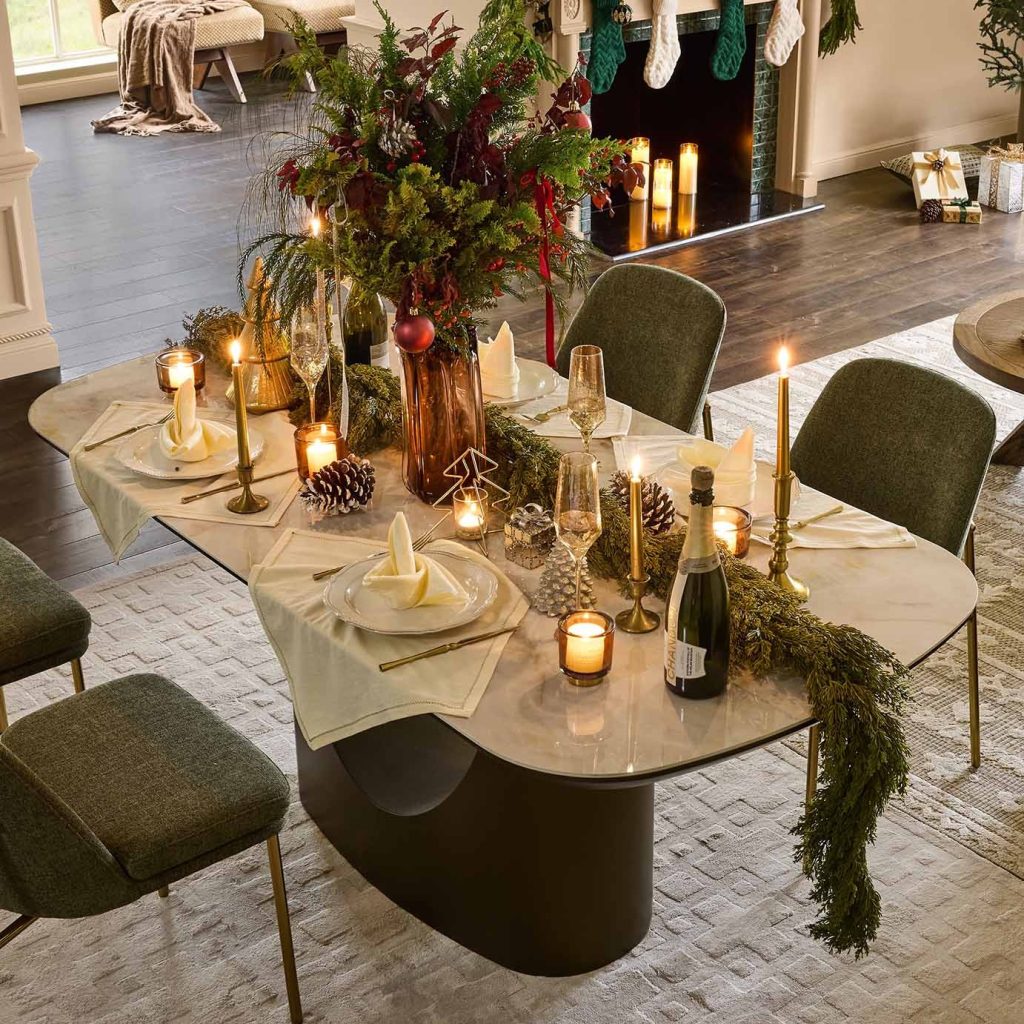
Interior decorators operate at the intersection of client expectations and design integrity, and few furniture categories test this balance like the dining set. Clients today arrive with mood boards filled with magazine-worthy spaces, expecting pieces that feel both on-trend and timeless. A stylish dining set serves as the visual anchor of any dining area—it communicates taste, sets the tonal direction for surrounding decor, and signals the level of investment a homeowner has made in their space. Decorators who consistently deliver on this front build reputations that generate referrals. The challenge lies in sourcing pieces with genuine design distinction. Mass-market furniture often relies on surface-level trends that date quickly, while truly modern design integrates proportion, texture, and form in ways that remain compelling across seasons. High-quality materials play an equally critical role here; a beautifully designed table that warps, scratches, or discolors within a year undermines both the client relationship and the decorator’s credibility. This is why professionals gravitate toward extendable dining sets crafted from premium materials with unique design details—sculptural bases, hand-applied finishes, or unexpected material combinations—that enhance dining aesthetics while standing up to real life. The right stylish dining set doesn’t just fill a room; it defines it.
Key Features to Look for in a Modern Extendable Dining Set
Selecting an extendable dining set that satisfies both aesthetic ambition and practical demands requires decorators to evaluate several interconnected features. The mechanism itself deserves close scrutiny—smooth, reliable extension systems that operate without excessive force or visible hardware indicate superior engineering. Beyond mechanics, the proportions of the table in both its compact and extended states should feel intentional rather than compromised. A well-designed piece maintains balanced visual weight regardless of configuration.
Material Quality and Durability for Long-Lasting Use
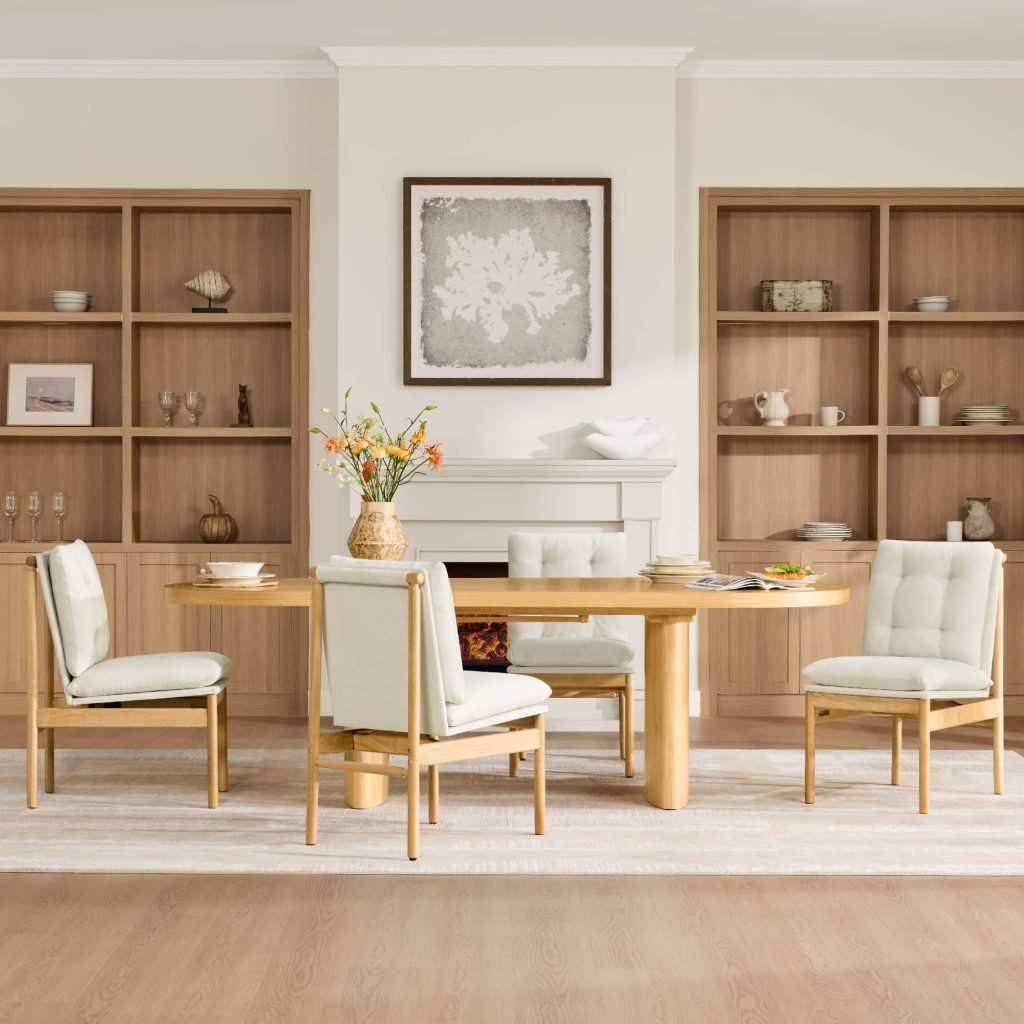
High-quality materials form the foundation of any dining set built for long-lasting use. Solid hardwoods like oak, walnut, and ash offer natural warmth and develop character over time, though they require periodic oiling or sealing to resist moisture damage. Metal frames—particularly powder-coated steel or brushed brass—deliver structural rigidity and a contemporary edge, making them ideal for modern design schemes. Tempered glass and ceramic tops resist staining and heat but may show fingerprints or require careful handling. When assessing durability, decorators should examine joint construction, finish thickness, and the quality of extension hardware. Dovetail or mortise-and-tenon joinery outlasts glued butt joints significantly. Multi-layer lacquer finishes protect surfaces far better than single-coat applications. The goal is to source pieces where material integrity matches the design promise.
Unique Design Elements that Enhance Dining Aesthetics
Beyond structural soundness, the design details distinguish a forgettable table from a statement piece that enhances dining aesthetics. Shape plays a pivotal role—an oval dining table softens rigid room geometries and encourages natural conversation flow, while rectangular options suit more formal arrangements. Sculptural pedestals, tapered legs with brass ferrules, or asymmetric bases add visual intrigue without overwhelming the space. Finish choices matter equally: matte textures feel organic and forgiving, while high-gloss surfaces amplify light in darker rooms. Color palettes ranging from warm terracotta tones to deep charcoal allow decorators to coordinate with broader interior schemes. Customization options—selecting leg styles, tabletop edges, or upholstery fabrics for accompanying chairs—give professionals the flexibility to deliver truly unique results that reflect each client’s personality.
Incorporating Oval Dining Tables into Your Design Projects
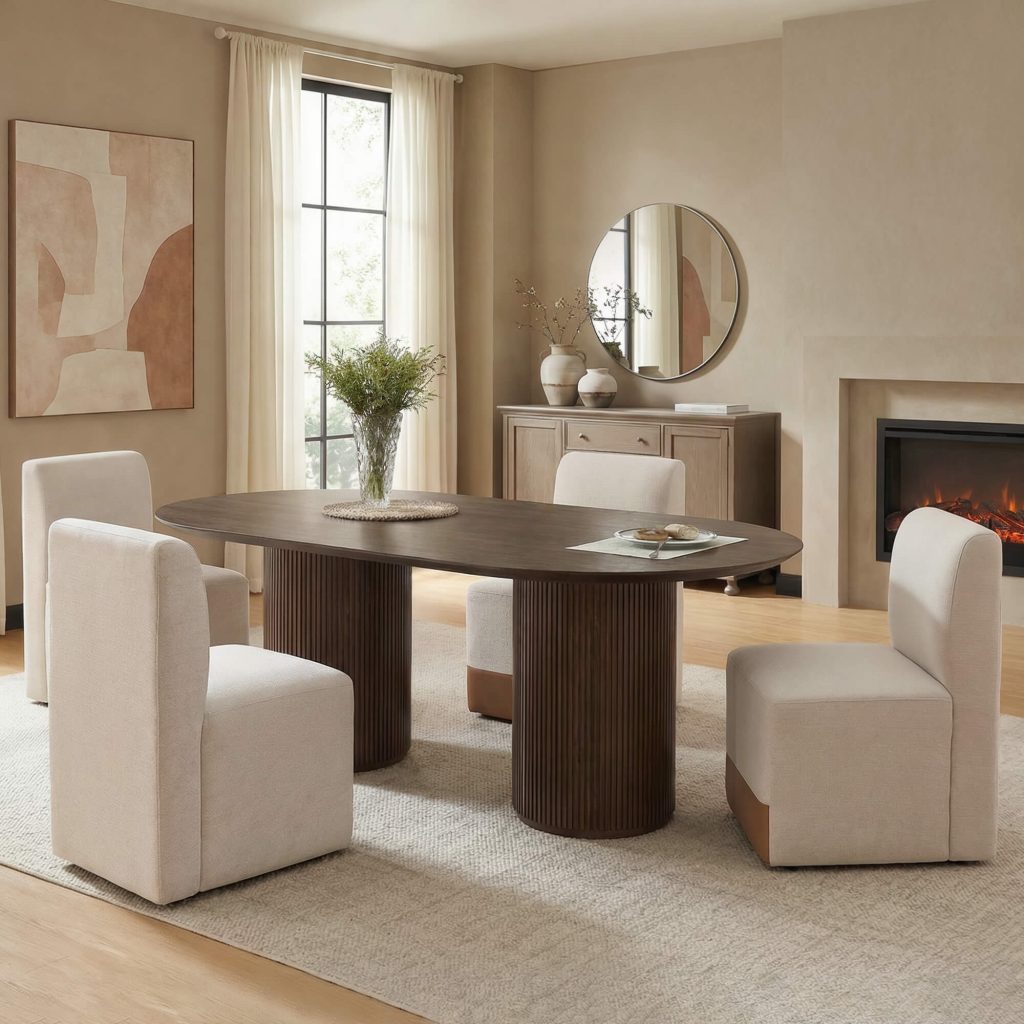
The oval dining table has become a go-to shape for decorators working in modern interiors, and for good reason. Its curved silhouette eliminates sharp corners, creating safer circulation paths in tight dining areas while fostering a sense of intimacy that rectangular tables struggle to achieve. Guests seated around an oval naturally face one another at varied angles, encouraging cross-table conversation rather than the linear exchanges typical of straight-edged surfaces. When paired with an extendable mechanism, the oval form scales beautifully—expanding along its length while preserving the graceful rounded ends that define its character. Brands like Chitaliving have embraced this form factor, offering extendable oval dining tables in solid wood that balance sculptural presence with everyday functionality. Styling an oval dining table within diverse interior schemes is remarkably straightforward. In Scandinavian-inspired spaces, a light oak oval with clean tapered legs feels effortlessly at home. For mid-century modern projects, a walnut oval on a sculptural pedestal base anchors the room with period-appropriate drama. Even in minimalist or industrial settings, an oval softens the abundance of straight lines and hard materials without introducing fussiness. Decorators should consider pendant lighting that echoes the table’s elongated curve, and runners or centerpieces arranged along the central axis to reinforce the organic geometry. The oval dining table isn’t merely a shape preference—it’s a strategic design tool that improves flow, maximizes seating, and adds visual sophistication to virtually any project.
Practical Solutions: A Step-by-Step Guide to Choosing and Styling Your Set
Translating design vision into a successful dining room installation requires a systematic approach. Interior decorators who follow a structured process consistently deliver results that satisfy clients and showcase their professional expertise. Here’s how to move from initial consultation to a finished space that centers on the perfect extendable dining set.
Begin by assessing client needs and space dimensions thoroughly. Measure the dining area in its entirety, noting doorways, traffic paths, and adjacent furniture. Determine the minimum daily seating requirement alongside the maximum guest count for entertaining. This dual measurement—physical space and social capacity—dictates whether a six-to-ten or four-to-eight extension range serves the household best. An oval dining table often proves ideal in rooms where circulation space is limited, as its rounded profile requires less clearance than sharp-cornered alternatives.
Next, select materials based on the intersection of durability and aesthetics. Consider the household’s lifestyle honestly—families with young children benefit from ceramic or lacquered surfaces that resist scratching, while adult-only homes can embrace the patina potential of oiled walnut or natural oak. High-quality materials should align with the room’s existing palette and texture story rather than compete with them.
With materials decided, choose designs that align with modern trends while retaining longevity. Sculptural bases, integrated extension mechanisms that preserve clean lines, and chairs with complementary but not overly matching profiles all signal sophisticated modern design. Avoid pieces that lean too heavily on a single trend; instead, prioritize timeless proportions accented by contemporary details.
Styling the set with accessories and lighting elevates the entire composition. Position a pendant or chandelier whose footprint mirrors the table’s shape—an elongated fixture over an oval creates visual harmony. Layer in textiles through seat cushions or a subtle table runner, and anchor the centerpiece with organic elements like ceramics or seasonal greenery that don’t obstruct sightlines across the table.
Finally, establish a maintenance plan for long-lasting use. Provide clients with material-specific care instructions at installation: coaster recommendations for wood surfaces, approved cleaning products for upholstered chairs, and periodic hardware checks on the extension mechanism. A dining set that looks as refined in year five as it did on delivery day reinforces your reputation and keeps referrals flowing. This step-by-step framework transforms the complex task of furnishing a dining space into a repeatable, client-pleasing process.
Elevate Your Projects with the Right Extendable Dining Set
Extendable dining sets represent far more than a space-saving convenience—they are strategic investments that allow interior decorators to deliver versatility, beauty, and longevity in a single furniture selection. The best pieces combine modern design principles with high-quality materials, resulting in tables and chairs that perform flawlessly through years of daily meals and special occasions alike. By prioritizing smooth extension mechanisms, durable construction, and unique design elements such as the oval dining table’s flowing silhouette, decorators can curate dining spaces that genuinely enhance their clients’ lives. The step-by-step framework outlined here—from spatial assessment through material selection, styling, and maintenance planning—provides a repeatable process for achieving consistently impressive results. Every successful installation strengthens client trust and builds the kind of portfolio that attracts new projects. As dining spaces continue to serve as gathering hubs in contemporary homes, the decorator who masters the art of selecting and styling extendable dining sets positions themselves as an indispensable resource. Take these insights into your next project, evaluate your sourcing partners with fresh criteria, and let the dining table become the defining statement piece your clients deserve.
About the Author