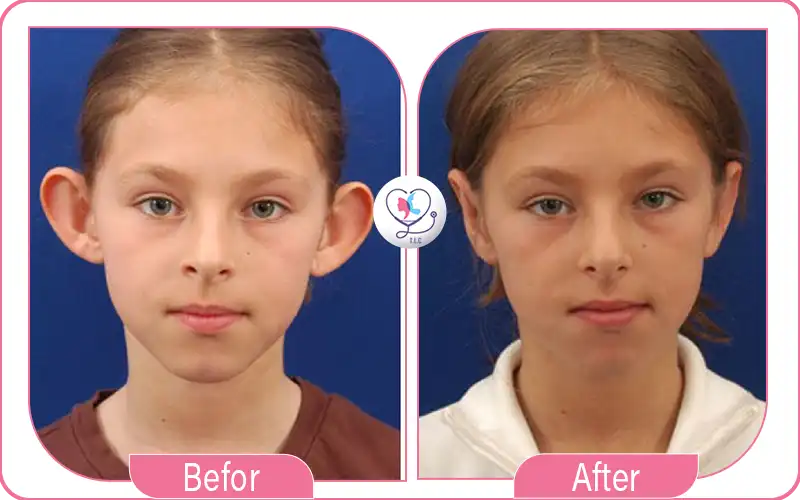
Ear surgery, medically known as otoplasty, is a cosmetic procedure designed to improve the shape, size, or position of the ears. Whether you have protruding ears, uneven ear shape, or stretched earlobes, modern ear surgery can deliver safe, natural-looking, and long-lasting results for both children and adults.
This complete guide explains everything you need to know about ear surgery, including procedure types, benefits, recovery time, risks, costs, and expected results.
What Is Ear Surgery (Otoplasty)?
Otoplasty is a cosmetic ear surgery procedure that reshapes or repositions the ear cartilage to create a more balanced and symmetrical appearance.
Ear surgery is commonly performed to:
- Pin back protruding ears
- Reduce oversized ears (macrotia)
- Correct ear asymmetry
- Repair torn or stretched earlobes
- Treat congenital ear deformities
Unlike many cosmetic procedures, otoplasty is often suitable for children as young as 5–6 years old once ear growth is fully developed.
Types of Ear Surgery Procedures
There are several different types of ear surgery depending on the patient’s needs and cosmetic goals.
1. Ear Pinning Surgery
Ear pinning is the most common form of otoplasty. The procedure moves protruding ears closer to the head for a more natural appearance.
Best For:
- Prominent or sticking-out ears
- Facial balance improvement
2. Ear Reduction Surgery (Macrotia Correction)
This procedure reduces the size of overly large ears to improve facial proportions.
Benefits:
- Better facial harmony
- More proportional ear size
3. Ear Reshaping Surgery
Ear reshaping surgery corrects structural irregularities or cartilage deformities caused by genetics or injury.
Common Concerns Treated:
- Misshapen ears
- Fold irregularities
- Congenital deformities
4. Earlobe Repair Surgery
Earlobe repair restores torn, stretched, or damaged earlobes caused by trauma, heavy earrings, or gauges.
Ideal For:
- Split earlobes
- Stretched piercing holes
- Gauged ears
Who Is a Good Candidate for Ear Surgery?
You may be a suitable candidate for ear surgery if you:
- Feel self-conscious about your ears
- Have protruding or asymmetrical ears
- Are physically healthy
- Have realistic expectations
- Want long-lasting cosmetic improvement
Parents may also consider ear surgery for children over age 5 who experience teasing or confidence issues related to ear appearance.
Benefits of Ear Surgery
Ear surgery offers both cosmetic and emotional benefits.
Cosmetic Benefits
- Improved facial symmetry
- Natural-looking ear positioning
- Better facial proportions
- Minimal visible scarring
Emotional Benefits
- Increased confidence
- Reduced self-consciousness
- Improved social comfort
Practical Benefits
- Permanent results
- Quick recovery
- Outpatient procedure
Many patients experience a major boost in self-esteem after otoplasty.
Ear Surgery Procedure: Step-by-Step
Understanding the ear surgery process can help patients feel more prepared and confident before treatment.
Step 1: Consultation
Your surgeon will evaluate your ears, discuss your concerns, and create a personalized treatment plan.
Step 2: Anesthesia
Ear surgery is usually performed under:
- Local anesthesia with sedation (common for adults)
- General anesthesia (commonly used for children)
Step 3: Incision Placement
The surgeon makes a small incision behind the ear to minimize visible scarring.
Step 4: Cartilage Reshaping
The ear cartilage is reshaped, folded, or repositioned to achieve the desired appearance.
Step 5: Suturing
Internal stitches secure the ears in their new position.
Procedure Duration
Most ear surgery procedures take approximately 1–2 hours and are performed on an outpatient basis.
Recovery After Ear Surgery
Recovery after otoplasty is generally quick and manageable.
Recovery Timeline
First 24–48 Hours
- Mild swelling and discomfort
- Bandages remain in place
- Rest is recommended
After 1 Week
- Bandages are removed
- Most patients return to work or school
After 2 Weeks
- Swelling significantly improves
- Ears begin settling into their final shape
After 4–6 Weeks
- Full healing is typically complete
Ear Surgery Recovery Tips
To ensure proper healing after ear surgery:
- Wear a protective headband as instructed
- Avoid sleeping directly on the ears
- Keep the surgical area clean and dry
- Avoid strenuous activities during recovery
- Attend all follow-up appointments
Following your surgeon’s aftercare instructions is essential for achieving the best results.
Risks and Complications of Ear Surgery
Although ear surgery is considered safe, some potential risks may include:
- Infection
- Minor scarring
- Temporary numbness
- Ear asymmetry
- Bleeding
- Rare need for revision surgery
Choosing a qualified and experienced otoplasty surgeon greatly reduces the risk of complications.
Ear Surgery Cost in 2026
The cost of ear surgery varies depending on the surgeon, clinic location, and procedure complexity.
Average Cost of Ear Surgery
The average price of otoplasty typically ranges from:
$2,000 – $5,000 USD
Factors That Affect Ear Surgery Cost
- Surgeon’s expertise
- Geographic location
- Type of procedure
- Anesthesia fees
- Facility and clinic charges
Some clinics also offer financing plans and monthly payment options.
Ear Surgery Before and After Results
Results from ear surgery are usually permanent and noticeable once healing is complete.
Patients Can Expect:
- More natural ear positioning
- Improved facial balance
- Better symmetry
- Minimal visible scars
Viewing before-and-after photos during consultation can help patients set realistic expectations.
Ear Surgery for Children vs Adults
Both children and adults can achieve excellent results with otoplasty.
Ear Surgery for Children
- Helps prevent teasing and bullying
- Faster healing process
- Usually performed under general anesthesia
Ear Surgery for Adults
- Fully developed ear structure
- Local anesthesia often sufficient
- Same permanent cosmetic results
There is no upper age limit for ear surgery.
Non-Surgical Alternatives to Ear Surgery
While surgery offers the most effective long-term results, some non-surgical alternatives exist for mild cases.
Ear Molding for Infants
A non-surgical technique used in newborns to reshape ears while cartilage is still soft.
Temporary Cosmetic Options
- Hairstyles that cover the ears
- Ear correction clips
These options are generally temporary and less effective than surgery.
Frequently Asked Questions About Ear Surgery
Is ear surgery painful?
Most patients experience only mild discomfort that can be managed with medication.
Are ear surgery results permanent?
Yes, otoplasty results are generally permanent and long-lasting.
Will ear surgery leave visible scars?
Scars are usually minimal and hidden behind the ears.
How soon can I return to work after ear surgery?
Most adults return to work within 5–7 days.
When can I exercise again?
Strenuous exercise should usually be avoided for about 4–6 weeks.
Final Thoughts on Ear Surgery (Otoplasty)
Ear surgery is a safe, effective, and confidence-boosting cosmetic procedure that can dramatically improve ear appearance and facial balance. With modern surgical techniques, minimal downtime, and permanent results, otoplasty remains one of the most rewarding cosmetic treatments available today.
If you are considering ear surgery, consult a qualified otoplasty specialist to discuss your goals and create a personalized treatment plan tailored to your needs.
About the Author