Older homes have a unique charm, strong character, and often excellent craftsmanship that many modern properties cannot match. However, as homes age, they also develop wear and tear that can affect safety, efficiency, comfort, and overall value. For homeowners living in aging properties, regular improvements are essential to keep the home functional and reliable.
Aging homes often require more than cosmetic upgrades. While fresh paint and new flooring can improve appearance, important systems like plumbing, electrical wiring, roofing, and insulation may need attention first. Ignoring these areas can lead to costly repairs and serious safety concerns in the future.
We believe that upgrading an aging home is not just about preserving its beauty. It is about improving performance, protecting the investment, and making the home better suited for modern living. Let us explore the best home improvement upgrades for clients with aging homes.
Upgrade Electrical Systems
One of the most important improvements for older homes is updating the electrical system.
Many aging homes were built when electricity demands were much lower. Modern appliances, smart devices, and larger HVAC systems often require stronger electrical support.
Old wiring can become dangerous over time and may increase the risk of fire.
Upgrading wiring, breaker panels, and outlets improves safety and supports modern living.
This is one of the highest-priority upgrades for any aging property.
Replace Old Plumbing
Plumbing systems in older homes can become weak, corroded, or damaged.
Old pipes may leak, reduce water pressure, or even contaminate water in some cases.
Replacing outdated plumbing with modern materials like copper or PEX improves reliability and efficiency.
New plumbing reduces maintenance issues and helps prevent water damage.
This upgrade also improves buyer confidence if the property is sold later.
Improve Insulation
Older homes often have poor insulation or outdated materials that no longer perform well.
This can cause high heating and cooling costs, uncomfortable temperatures, and uneven airflow.
Adding or replacing insulation in walls, attics, and floors improves energy efficiency.
Better insulation keeps the home warmer in winter and cooler in summer.
It is one of the best long-term improvements for comfort and savings.
Replace Windows
Old windows often lose their ability to seal properly.
Drafts, heat loss, and noise problems are common in aging homes with outdated windows.
Replacing them with modern energy-efficient windows improves insulation, security, and appearance.
Double-glazed windows are especially effective at reducing energy waste.
New windows can also increase natural light and improve curb appeal.
Roof Repairs or Full Replacement
The roof protects the entire structure, so it should never be ignored.
Older roofs may have damaged shingles, leaks, or weakened support.
A roof inspection can identify whether repairs are enough or if a full replacement is needed.
Installing durable roofing materials improves long-term protection and reduces future repair costs.
A strong roof is essential for preserving the home’s value.
Upgrade Heating and Cooling Systems
Many aging homes still rely on outdated heating and cooling systems.
Old systems are often less efficient, more expensive to run, and more likely to fail.
Replacing them with modern HVAC units improves comfort and lowers energy bills.
Adding smart thermostats can improve efficiency even further.
Better climate control is one of the most valuable improvements for daily living.
Strengthen the Foundation
The foundation is one of the most critical parts of an aging home.
Cracks, uneven floors, and shifting walls may indicate foundation issues.
Professional inspections can identify problems early before they become severe.
Repairing or reinforcing the foundation protects the structure and prevents larger repairs later.
Strong foundations support every other improvement in the home.
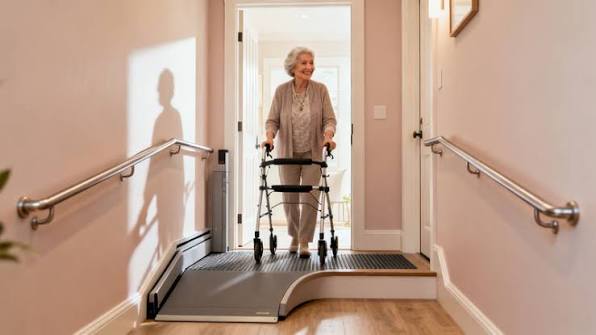
Improve Bathroom Accessibility
As homes age, homeowners often think about long-term comfort and accessibility.
Upgrading bathrooms with walk-in showers, grab bars, wider spaces, and non-slip flooring improves safety.
These changes are especially useful for older homeowners or those planning for the future.
Accessible bathrooms support aging in place and improve convenience for everyone.
Modernize the Kitchen
Older kitchens often have outdated layouts, poor storage, and inefficient appliances.
Improving the kitchen can make daily life much easier.
Upgrades such as better cabinets, modern countertops, improved lighting, and energy-efficient appliances can transform the space.
A modern kitchen also adds strong property value.
This is one of the most rewarding upgrades for aging homes.
Repair Water Damage
Water damage is common in older homes.
Leaks, mold, and wood rot can weaken structures and affect indoor air quality.
Fixing damaged areas, improving drainage, and waterproofing basements are important improvements.
Preventing water damage protects the home and avoids expensive future repairs.
This should always be handled before cosmetic upgrades.
Improve Lighting Systems
Older homes may have poor lighting designs or outdated fixtures.
Improving lighting makes rooms more comfortable, functional, and modern.
LED lighting, layered lighting, and brighter fixtures can improve visibility and reduce energy use.
Natural lighting improvements such as skylights or larger windows can also make spaces feel larger.
Lighting upgrades are simple but highly effective.
Replace Flooring
Aging floors can become worn, cracked, or uneven.
Replacing old carpets, damaged wood, or broken tiles improves both appearance and safety.
Modern flooring options such as hardwood, vinyl plank, or laminate offer durability and style.
Better flooring improves comfort and supports overall home quality.
Add Better Storage Solutions
Older homes may lack modern storage spaces.
Adding closets, built-in shelves, cabinets, or garage storage improves organization.
Better storage reduces clutter and makes rooms more practical.
This is especially helpful for families living in smaller or older layouts.
Storage improvements increase functionality without major structural changes.
Improve Home Security
Security features in older homes are often outdated.
Upgrading locks, installing smart cameras, motion lights, and alarm systems improves protection.
Modern security systems provide peace of mind and make homes feel safer.
Security improvements also increase property appeal.
Upgrade Doors
Old doors may become damaged, drafty, or difficult to close.
Replacing them improves insulation, security, and appearance.
Modern doors also provide better soundproofing and weather protection.
Front doors are especially important because they affect curb appeal.
Improve Exterior Siding
Aging siding can crack, fade, or become damaged over time.
Replacing or repairing siding protects the home from weather and improves appearance.
Modern siding materials often provide better insulation and require less maintenance.
This upgrade improves both durability and curb appeal.
Expand Living Spaces
Many older homes have smaller rooms compared to modern designs.
Opening walls, finishing basements, or converting attics can create more usable space.
These improvements improve functionality and support modern lifestyles.
Extra living space often increases property value significantly.
Upgrade Water Heaters
Old water heaters may become inefficient and unreliable.
Replacing them with modern or tankless systems improves performance and reduces energy use.
Reliable hot water is essential for comfort.
This upgrade also reduces the risk of sudden system failure.
Final Thoughts
Aging homes can continue to provide comfort, beauty, and value when maintained properly. The key is focusing on important upgrades that improve safety, efficiency, and daily functionality. Electrical systems, plumbing, insulation, roofing, and heating should often come before cosmetic changes.
We believe that upgrading an older home is one of the best ways to preserve its character while adapting it for modern living. With smart planning and the right improvements, aging homes can remain strong and comfortable for many more years.
A well-maintained older home is not just a place to live. It is a valuable asset that can continue to grow in both comfort and market value over time.
About the Author