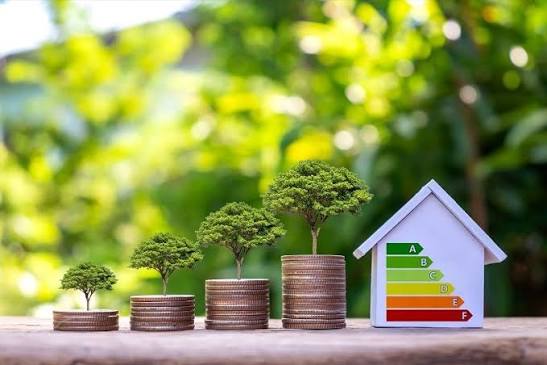
Energy efficiency has become one of the most important goals for homeowners today. Rising utility costs, environmental concerns, and the desire for better comfort have encouraged many clients to focus on improving how their homes use energy. A more energy-efficient home not only saves money over time but also creates a healthier and more comfortable living environment.
Home improvement offers many opportunities to improve energy efficiency. From better insulation to smarter appliances, the right upgrades can reduce energy waste and make daily life easier. Many homeowners assume energy-efficient improvements are expensive, but even small changes can make a big difference.
We believe energy efficiency should be a key part of every home improvement plan. Smart upgrades can deliver long-term savings while increasing property value. Let us explore the best home improvement tips for clients who want energy efficiency.
Upgrade Home Insulation
Insulation is one of the most effective ways to improve energy efficiency.
Poor insulation allows heat to escape during winter and enter during summer, forcing heating and cooling systems to work harder.
Improving attic insulation, wall insulation, and floor insulation can help maintain indoor temperatures more effectively.
Better insulation reduces energy bills and keeps the home more comfortable throughout the year.
It is one of the smartest long-term investments for homeowners.
Replace Old Windows
Old windows are often a major source of energy loss.
Single-pane windows or damaged frames can allow air leaks, making heating and cooling less effective.
Upgrading to double-glazed or energy-efficient windows improves insulation and reduces outside temperature changes.
Modern windows also reduce noise and improve comfort.
This upgrade can significantly lower utility costs over time.
Seal Air Leaks
Small air leaks can waste a surprising amount of energy.
Gaps around doors, windows, vents, and pipes allow warm or cool air to escape.
Using weather stripping, caulking, and sealants to close these gaps is a simple and affordable improvement.
Sealing air leaks helps maintain indoor temperatures and reduces pressure on HVAC systems.
It is a low-cost upgrade with strong benefits.
Install a Smart Thermostat
Smart thermostats have become one of the most popular energy-saving tools.
They allow homeowners to control heating and cooling more efficiently based on daily schedules.
Many smart thermostats can be managed through smartphones, making it easy to adjust temperatures remotely.
This prevents unnecessary energy use when no one is home.
Smart thermostats improve comfort while reducing monthly bills.
Switch to LED Lighting
Lighting accounts for a large part of home energy use.
Traditional bulbs consume more electricity and have shorter lifespans.
LED lights use much less energy and last significantly longer.
Replacing all old bulbs with LED options is one of the simplest and fastest energy-efficient upgrades.
LED lighting also produces less heat, making rooms cooler during warmer months.
Upgrade to Energy-Efficient Appliances
Old appliances often consume more electricity than modern models.
Replacing refrigerators, washing machines, dishwashers, and air conditioners with energy-efficient versions can lower energy use.
Energy-efficient appliances are designed to perform better while using less power.
Although the upfront cost may be higher, long-term savings often make the investment worthwhile.
These upgrades also improve home value.
Improve HVAC System Efficiency
Heating and cooling systems are often the largest energy users in a home.
Regular maintenance such as changing filters, cleaning vents, and checking ductwork improves efficiency.
If the HVAC system is old, upgrading to a newer energy-efficient model can greatly reduce energy use.
Properly sized systems also perform better and avoid wasting power.
A strong HVAC system improves both comfort and savings.
Install Ceiling Fans
Ceiling fans help improve airflow and reduce the need for constant heating or cooling.
During summer, they help keep rooms cool by circulating air.
In winter, reversing fan direction can help push warm air downward.
This reduces pressure on HVAC systems and lowers energy use.
Ceiling fans are affordable and highly effective for improving comfort.
Use Energy-Efficient Doors
Doors play an important role in insulation.
Old or poorly sealed doors can allow drafts and temperature changes.
Installing insulated or energy-efficient doors improves indoor temperature control.
This is especially important for front doors, patio doors, and garage entryways.
Better doors improve both security and energy savings.
Upgrade Water Heating Systems
Water heaters consume a large amount of household energy.
Older models often waste power and work less efficiently.
Replacing them with modern energy-efficient or tankless water heaters can reduce energy costs.
Tankless systems heat water only when needed, reducing waste.
Lower water heating costs can create long-term savings.
Install Solar Panels
Solar panels are one of the most powerful energy-efficient home improvements.
They allow homeowners to generate their own electricity, reducing dependence on utility companies.
Although installation costs can be high, solar systems often provide significant long-term savings.
In many areas, solar energy can also increase property value.
This upgrade supports both sustainability and financial savings.
Improve Natural Lighting
Using more natural light reduces the need for artificial lighting during the day.
Adding larger windows, skylights, or glass doors can brighten rooms naturally.
Bright spaces also feel more open and inviting.
Natural light supports energy savings while improving mood and overall home atmosphere.
It is both practical and visually beneficial.
Upgrade Roofing Materials
The roof affects how much heat enters or leaves a home.
Energy-efficient roofing materials can improve insulation and reflect sunlight.
Cool roofing systems help reduce heat absorption, especially in hot climates.
This reduces cooling costs during summer.
Roof upgrades provide strong long-term energy benefits.
Install Better Blinds and Curtains
Window coverings can support energy efficiency.
Thermal curtains and insulated blinds help block heat during summer and retain warmth during winter.
They improve indoor temperature control and reduce HVAC use.
This is a simple and affordable way to support better energy management.
Improve Plumbing Efficiency
Energy efficiency also includes water usage.
Installing low-flow faucets, showerheads, and toilets reduces water waste.
Less water use means less energy needed for water heating.
Efficient plumbing upgrades support both lower utility bills and environmental benefits.
Upgrade Flooring for Better Insulation
Some flooring materials help improve insulation.
Carpet, cork, and certain engineered wood options can keep rooms warmer and reduce heat loss.
Better flooring supports energy efficiency while improving comfort.
This can be especially helpful in colder climates.
Use Smart Power Strips
Many electronics continue using energy even when turned off.
Smart power strips automatically cut power to devices not in use.
This prevents energy waste and lowers electricity costs.
It is a simple solution that can make a noticeable difference.
Plant Shade Trees
Landscaping can also improve energy efficiency.
Planting trees near windows or around the property can provide shade during summer.
This reduces heat entering the home and lowers cooling costs.
Natural shade is a practical and environmentally friendly improvement.
Maintain Appliances Regularly
Even energy-efficient appliances need proper maintenance.
Cleaning refrigerator coils, checking washing machine filters, and servicing air conditioners improves performance.
Well-maintained appliances use less energy and last longer.
Regular care protects the investment and improves efficiency.
Final Thoughts
Energy-efficient home improvement is one of the smartest ways to improve comfort, reduce costs, and protect the environment. From insulation and windows to smart technology and efficient appliances, there are many ways clients can improve how their homes use energy.
We believe energy efficiency should be a priority in modern home improvement because it provides both immediate and long-term benefits. Even small upgrades can create noticeable savings and improve everyday living.
By focusing on smart energy-efficient solutions, homeowners can build homes that are more comfortable, more affordable to maintain, and better prepared for the future.
About the Author