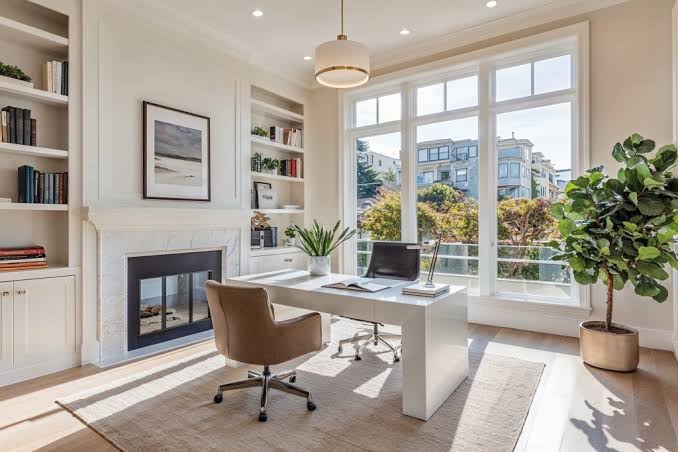
A comfortable home is one of the most valuable things a homeowner can have. It is the place where people relax after long days, spend time with family, and create lasting memories. While every home provides shelter, not every home offers the level of comfort that makes daily living truly enjoyable. This is why home improvement plays such an important role.
Comfort in a home goes beyond soft furniture or attractive decoration. It includes temperature control, good lighting, practical layouts, noise reduction, proper storage, and spaces designed to support everyday life. The right home improvements can transform a property into a place that feels warm, relaxing, and functional.
We believe that improving comfort should be one of the main goals of any home renovation. When a home feels better to live in, it improves both quality of life and long-term value. Let us explore the best home improvement ideas to make clients’ homes more comfortable.
Upgrade Heating and Cooling Systems
Temperature control has a major impact on comfort.
An old or inefficient heating and cooling system can leave rooms too hot in summer or too cold in winter. Upgrading to a modern HVAC system improves temperature consistency and air quality.
Smart thermostats also allow homeowners to control indoor temperatures more efficiently.
A reliable climate control system creates year-round comfort and can reduce energy costs.
Improve Insulation
Insulation helps keep a home comfortable in every season.
Poor insulation can make rooms drafty and increase heating or cooling bills. Adding insulation to walls, floors, and attics improves temperature control.
Good insulation keeps warm air inside during winter and blocks heat during summer.
It also helps reduce outside noise.
This upgrade improves both comfort and efficiency.
Add Better Lighting
Lighting affects mood, productivity, and overall comfort.
Dark rooms often feel smaller and less inviting. Upgrading lighting fixtures, adding layered lighting, and increasing natural light can transform a space.
Soft ambient lighting creates a relaxing atmosphere, while task lighting improves functionality.
Larger windows or skylights can also improve brightness naturally.
Well-lit spaces feel more welcoming and practical.
Upgrade Flooring for Warmth and Style
Flooring contributes greatly to how comfortable a home feels.
Old or damaged floors can feel cold, hard, or unattractive. Replacing them with materials like hardwood, carpet, vinyl plank, or cork improves both comfort and appearance.
Carpet adds warmth in bedrooms, while softer flooring options can make living spaces more inviting.
Comfort underfoot is an important part of daily living.
Improve Bedroom Comfort
Bedrooms should be one of the most relaxing spaces in the home.
Home improvements like better soundproofing, blackout curtains, improved storage, and upgraded lighting can improve sleep quality.
Adding insulation and modern windows can also reduce outside noise.
A comfortable bedroom supports better rest and overall health.
This makes it one of the most valuable areas to improve.
Modernize Bathrooms
Bathrooms play a big role in comfort and convenience.
Upgrades such as walk-in showers, improved lighting, heated floors, and better ventilation can make bathrooms feel more relaxing.
Adding more storage and replacing old fixtures also improves usability.
Modern bathrooms create a more enjoyable daily experience.
Comfort in this space adds value to the entire home.
Create Better Storage Solutions
Clutter can make a home feel stressful and uncomfortable.
Adding built-in shelves, closets, under-bed storage, and smart cabinets helps keep the home organized.
Better storage creates cleaner spaces and makes daily routines easier.
A well-organized home often feels larger and more peaceful.
Storage improvements are simple but highly effective.
Improve Air Quality
Indoor air quality affects health and comfort.
Poor air circulation, dust, and humidity can make a home feel uncomfortable.
Installing air purifiers, improving ventilation, and upgrading HVAC filters can improve indoor air.
Adding houseplants can also support cleaner air naturally.
Fresh and clean air creates a healthier living environment.
Upgrade Kitchen Functionality
The kitchen is used every day and should be easy to work in.
Adding better storage, improving counter space, upgrading appliances, and improving lighting can make the kitchen more comfortable.
An organized kitchen reduces stress and makes cooking easier.
Even small upgrades like pull-out shelves or modern sinks can improve convenience.
A functional kitchen improves daily life.
Reduce Noise with Soundproofing
Noise can have a major impact on comfort.
Outside traffic, neighbors, or noise between rooms can create stress.
Adding insulation, thicker curtains, rugs, and soundproof wall materials can reduce unwanted noise.
Soundproofing improves privacy and creates a calmer home environment.
This is especially useful in busy neighborhoods or large families.
Improve Outdoor Living Spaces
Comfort should not stop at the front door.
Outdoor spaces can become relaxing areas for family time, reading, or entertaining.
Adding patios, decks, comfortable seating, shade structures, and lighting can improve outdoor comfort.
Even small balconies can be turned into peaceful retreats.
Outdoor improvements expand usable living space.
Add Smart Home Features
Technology can make a home more convenient and comfortable.
Smart lighting, voice controls, automated blinds, and smart security systems improve daily living.
Smart thermostats and automated appliances save time and improve efficiency.
These upgrades help homeowners control their environment more easily.
Convenience often leads to greater comfort.
Upgrade Windows and Doors
Old windows and doors can affect temperature, noise, and security.
Replacing them with energy-efficient models improves insulation and comfort.
New windows can increase natural light and reduce drafts.
Modern doors improve security while helping maintain indoor temperatures.
This upgrade supports both comfort and energy savings.
Create Relaxation Areas
Every home benefits from dedicated spaces for relaxation.
This could be a reading corner, meditation room, small lounge, or entertainment area.
Creating a peaceful space encourages rest and supports mental well-being.
Comfort is not just physical but emotional as well.
Personal relaxation areas make homes feel more complete.
Improve Accessibility
Comfort also means making the home easier to move around in.
Wider doorways, better stair railings, non-slip floors, and walk-in showers improve convenience and safety.
These upgrades are valuable for children, older adults, and anyone with mobility needs.
Accessible homes often feel more practical and supportive.
Upgrade Furniture Layout
Sometimes comfort can improve without major construction.
Rearranging furniture to improve movement and flow can make spaces feel larger and more practical.
Good layouts improve conversation, relaxation, and accessibility.
A thoughtful furniture arrangement can completely change how a room feels.
Final Thoughts
Home improvement is one of the best ways to make a house more comfortable. From better temperature control and lighting to improved storage and soundproofing, small and large upgrades can create a better daily living experience.
We believe comfort should always be a top priority in home improvement. A home that feels peaceful, functional, and welcoming improves quality of life for everyone inside it.
By focusing on practical improvements, clients can create homes that support relaxation, convenience, and long-term happiness.
About the Author