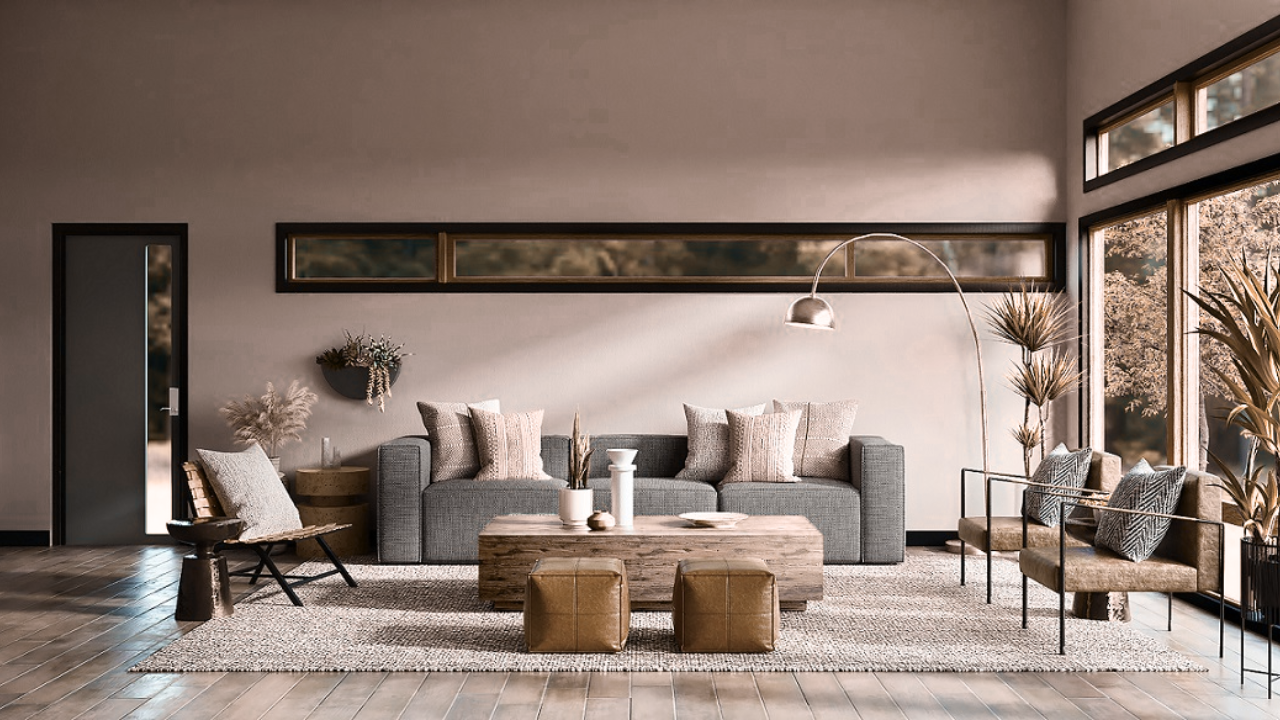
A home should be more than just a place to live. It should support daily routines, provide comfort, and make life easier. However, many homes are not designed to fully meet the changing needs of modern living. Families grow, work habits change, and lifestyles evolve. This is where home improvement becomes valuable. It allows homeowners to transform their spaces into more functional, practical, and efficient environments.
Functionality in a home means using space wisely. It means designing rooms that support daily tasks, improve organization, and create comfort without wasting space. Home improvement can solve many common problems, such as limited storage, poor layouts, lack of natural light, or inefficient room designs.
We believe the best home improvements are not always about luxury. Often, they are about making spaces work better for the people who use them every day. Let us explore how home improvement can help clients create more functional spaces.
Improving Space Layout
One of the most effective ways to improve functionality is by changing the layout of the home.
Many older homes have closed-off rooms, narrow hallways, or awkward spaces that limit movement. Home improvement can open up these areas and create better flow between rooms.
Removing non-structural walls, expanding doorways, or redesigning room placement can make spaces feel larger and more practical.
A better layout improves comfort and makes daily activities easier.
Creating Multi-Purpose Rooms
Modern lifestyles often require rooms to serve more than one purpose.
A spare bedroom can become a home office, a study area, or even a small gym. A dining room can double as a workspace when needed.
Home improvement allows clients to design flexible spaces that adapt to changing needs.
Using foldable furniture, movable dividers, and smart storage solutions helps maximize room functionality.
Multi-purpose rooms are especially useful for smaller homes.
Adding Better Storage Solutions
Storage is one of the biggest challenges in many homes.
Without enough storage, rooms become cluttered and less usable. Home improvement projects that add built-in shelves, cabinets, closets, or under-stair storage can make a major difference.
Storage solutions help keep spaces organized and improve efficiency.
A well-organized home feels larger, cleaner, and easier to manage.
Functional storage is one of the most practical upgrades any homeowner can make.
Upgrading Kitchens for Efficiency
The kitchen is one of the busiest areas in the home.
A poorly designed kitchen can make cooking, cleaning, and storage difficult. Home improvement can improve kitchen functionality by adding more counter space, better storage, and improved layouts.
The kitchen work triangle, which connects the sink, stove, and refrigerator, is an important design principle for better efficiency.
Modern cabinets, pull-out shelves, and organized pantries also improve daily use.
A functional kitchen saves time and reduces stress.
Improving Bathroom Functionality
Bathrooms may be smaller spaces, but they are used every day.
Home improvement can improve bathrooms by adding better storage, upgrading fixtures, and improving layouts.
Replacing bathtubs with walk-in showers can save space and improve accessibility.
Adding shelves, vanity storage, and better lighting makes the room more practical.
Improved bathroom design increases comfort and convenience.
Maximizing Small Living Spaces
Small homes require smart planning to remain functional.
Home improvement can make small spaces feel larger and more efficient through better furniture choices, wall-mounted storage, and open layouts.
Using mirrors, lighter paint colors, and better lighting also creates the feeling of more space.
Even compact homes can become highly functional with the right design choices.
Making every square foot count is essential in smaller homes.
Adding a Home Office
With remote work becoming more common, home offices have become a practical necessity.
Creating a dedicated workspace improves productivity and organization.
Even small corners can be transformed into functional offices with desks, shelves, and proper lighting.
Soundproofing and ergonomic furniture can improve comfort.
A home office adds value while meeting modern work demands.
Enhancing Natural Light
Lighting affects how functional a space feels.
Dark rooms often feel smaller and less inviting. Adding larger windows, skylights, or glass doors can improve natural light and make rooms more practical.
Natural light improves mood, reduces electricity use, and makes spaces feel more open.
Better lighting supports both comfort and productivity.
Improving Outdoor Functionality
Outdoor areas can be transformed into valuable living spaces.
Adding patios, decks, seating areas, or outdoor kitchens increases usable space for relaxation and entertainment.
Families can use outdoor spaces for dining, gatherings, or play areas.
Functional outdoor improvements extend the home beyond its walls.
This creates more living opportunities without expanding the structure.
Basement and Attic Conversions
Unused basements and attics often hold huge potential.
Converting these spaces into bedrooms, offices, playrooms, or entertainment areas adds practical square footage.
These areas can solve space shortages without expensive home extensions.
Finished basements and attics increase both functionality and property value.
They are excellent solutions for growing families.
Improving Entryway Organization
The entryway is often the first place where clutter builds.
Adding hooks, benches, shoe storage, and small cabinets can improve organization and make daily routines easier.
A functional entryway helps keep the rest of the home cleaner and more organized.
It creates a smoother transition in and out of the home.
Simple changes in this area can have a big impact.
Better Laundry Room Design
Laundry rooms are often overlooked but highly important.
Improving storage, adding folding counters, and creating organized spaces for cleaning supplies makes laundry more efficient.
Good laundry room design saves time and improves daily routines.
Even small laundry spaces can become more practical with better planning.
Smart Home Technology for Functionality
Technology can improve how a home functions every day.
Smart thermostats, lighting systems, security cameras, and automated appliances save time and improve convenience.
Voice-controlled systems and app-based controls make home management easier.
These upgrades support modern lifestyles and improve efficiency.
Smart homes often feel more organized and responsive.
Creating Family-Friendly Spaces
Families need spaces that support multiple activities.
Home improvement can create open play areas, homework spaces, family rooms, and safe outdoor zones.
Durable materials and practical layouts make family living easier.
Functional family spaces improve comfort and support daily routines.
A home designed for family needs remains useful for years.
Improving Accessibility
Functionality also means making a home accessible for everyone.
Wider doorways, walk-in showers, ramps, and non-slip flooring improve mobility and safety.
These improvements are valuable for aging homeowners, children, and anyone with mobility challenges.
Accessible design supports long-term living and future needs.
Better Closet Organization
Closets often become messy and inefficient.
Custom shelving, hanging systems, and drawer organizers can improve storage and make clothing easier to access.
Well-designed closets save time and reduce stress.
Better organization improves overall bedroom functionality.
Open Concept Living
Combining living, dining, and kitchen spaces into an open layout improves movement and communication.
Open concept living makes homes feel larger and more connected.
Families can interact more easily while cooking, relaxing, or working.
This design trend continues to support modern lifestyles.
Final Thoughts
Home improvement is one of the most effective ways to create more functional spaces. It allows homeowners to adapt their homes to changing lifestyles, improve efficiency, and make daily living more comfortable. Whether it is improving storage, redesigning layouts, or adding flexible rooms, practical upgrades can transform the way a home works.
We believe functionality should always be a priority in home improvement. A beautiful home is valuable, but a home that supports everyday life is even more important.
By focusing on smart, practical changes, clients can create spaces that feel organized, efficient, and ready for the future.
About the Author