Delhi roads can be unforgiving on a car’s paint. Between daily traffic, flying dust, narrow parking spaces, harsh sunlight, and highway debris, even a well-maintained vehicle starts showing scratches and paint damage sooner than expected. That is why more car owners are now looking at long-term protection instead of relying only on polishing or waxing.
Over the last few years, demand for paint protection film services in Delhi has increased sharply, especially among owners of premium sedans, SUVs, and newly purchased cars. At the same time, many people searching for the best PPF for car protection still struggle to understand the difference between gloss films, matte finishes, and self-healing variants.
Why PPF Has Become So Popular
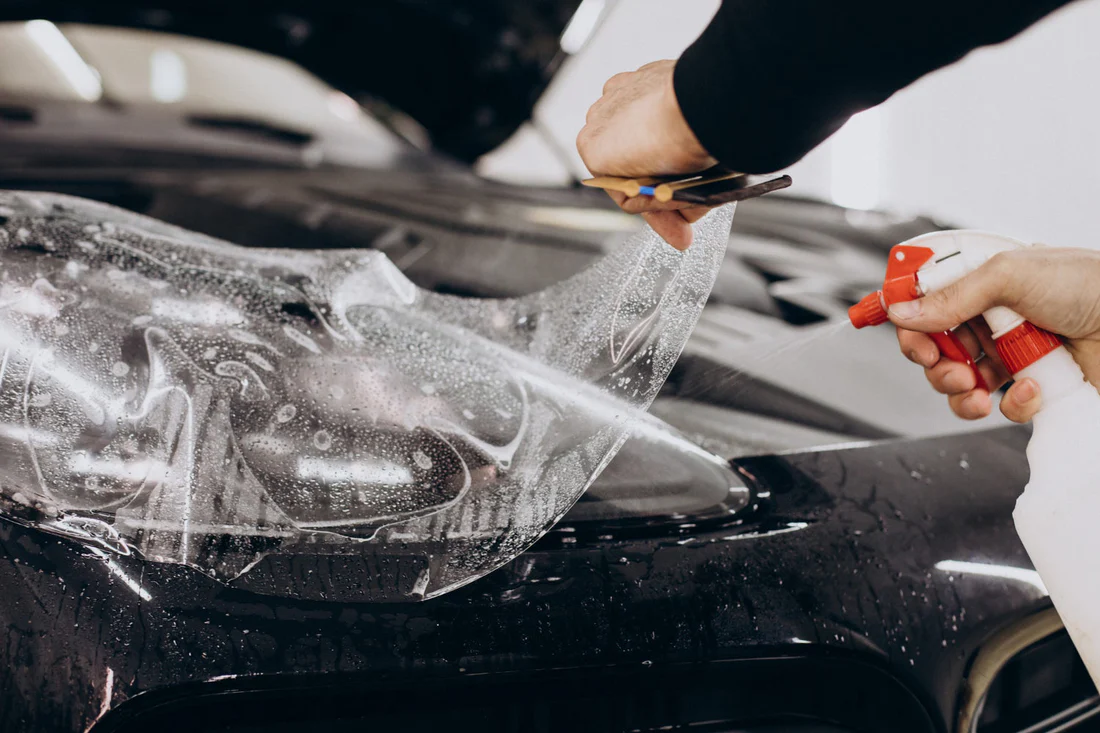
Paint Protection Film, or PPF, is a transparent urethane layer applied over painted panels. Its purpose is simple: it takes the damage before the paint underneath does.
Road stones, minor scratches, parking marks, and surface abrasions usually affect the film instead of the factory paint. For many owners, preserving original paint also helps maintain resale value later.
Understanding Self-Healing PPF
One feature that has changed the PPF market completely is self-healing technology.
Modern premium films are designed to recover from light swirl marks and minor scratches when exposed to heat. Often, sunlight alone helps the top layer smooth itself out gradually.
This does not mean deep scratches disappear completely, but regular wash marks and surface lines become far less visible compared with ordinary film.
For daily-driven cars in Delhi traffic, self-healing film can keep the vehicle looking cleaner for much longer without frequent polishing. Most premium PPF packages today include some level of self-healing capability.
Gloss PPF – The Most Popular Choice
Gloss PPF remains the most common option among car owners.
The reason is simple: it preserves the original showroom shine while adding protection underneath. On darker colors especially, gloss film gives the paint a richer and cleaner appearance.
Many owners feel the car continues looking freshly detailed even after months of use because the film reduces visible swirl marks and minor surface wear.
Gloss PPF works particularly well for the following:
- Black cars
- Dark blue shades
- Metallic paint finishes
- Luxury sedans and SUVs
It also tends to make washing easier because dirt and water do not settle as aggressively on the surface.
Matte PPF – A Different Look Entirely
Matte PPF has become increasingly popular among enthusiasts who want a more distinctive finish.
Instead of reflecting light sharply like gloss film, matte PPF creates a satin-like appearance. Some owners install it over factory matte paint, while others use it on regular gloss paint to entirely change the vehicle’s look without repainting.
The biggest advantage is uniqueness. Matte finishes are particularly noticeable, especially on SUVs and sports-oriented vehicles.
While at the same time, matte films continue to offer the same protective advantages from scratches and particles on the road.
But care routines play an essential role when it comes to matte films since certain cleaning techniques may influence the overall uniformity of the coating.
Which PPF Is the Best for Car Protection?
It is particularly challenging to give a definite response applicable to all cars.
What will be the best choice depends on driving experience, budget constraints, and personal preferences. Owners who want to preserve their vehicle’s appearance often use self-healing gloss films. Individuals looking for a more customized appearance often prefer matte finishes.
For heavily used city cars, durability and installer quality matter more than cosmetic differences alone.
The right installer can often make a bigger difference than the film branding itself.
Why Installation Quality Matters So Much
A high-quality film installed badly still creates problems later.
Poor installation often leads to the following:
- Edge lifting
- Trapped dust particles
- Uneven alignment
- Visible seams
- Premature peeling
PPF studios with experience put in a lot of effort in the preparation process before applying the film. Proper cleaning, paint correction, and indoor installation will impact the outcome.
This is why there is such an enormous range of prices charged by detailing studios. Affordable services usually have a shorter preparation time or cheaper materials used.
Average Prices for Paint Protection Film Delhi Packages
Factors determining the cost of PPF Delhi services include:
- Car dimensions
- Type of the film
- Area covered
- Brand and quality
- Installation studio’s reputation
The average prices for PPF will be as follows:
Partial front panel coating
Rs. 25,000 to Rs. 60,000
Full front coverage
Rs. 60,000 to Rs. 1.2 lakhs
Full body protection package
Rs. 1.2 lakhs to Rs. 2.5 lakhs+
Self-healing films from top brands will be pricier.
Is It Worth Spending Money on PPF?
Yes, for most Delhi residents.
Paint jobs will often result in color differences in other parts and ruin the original look. Cars driven regularly on highways or parked outdoors usually benefit the most because exposure levels remain consistently high.
Over time, many owners find the protection worthwhile simply because the vehicle continues looking newer for longer.
Conclusion
The rise of paint protection film Delhi services reflects how seriously owners now approach paint care. Rather than fixing them constantly, most people prefer protecting their paint jobs by preventing such damage from happening.
No matter whether choosing between gloss, matte, or self-healing types, picking out the right type of PPF for car protection should be based on more practical factors than just advertising.
Correct installation of a PPF system will provide more than paint protection; it will ensure that your car remains beautiful even after several years of driving.
About the Author