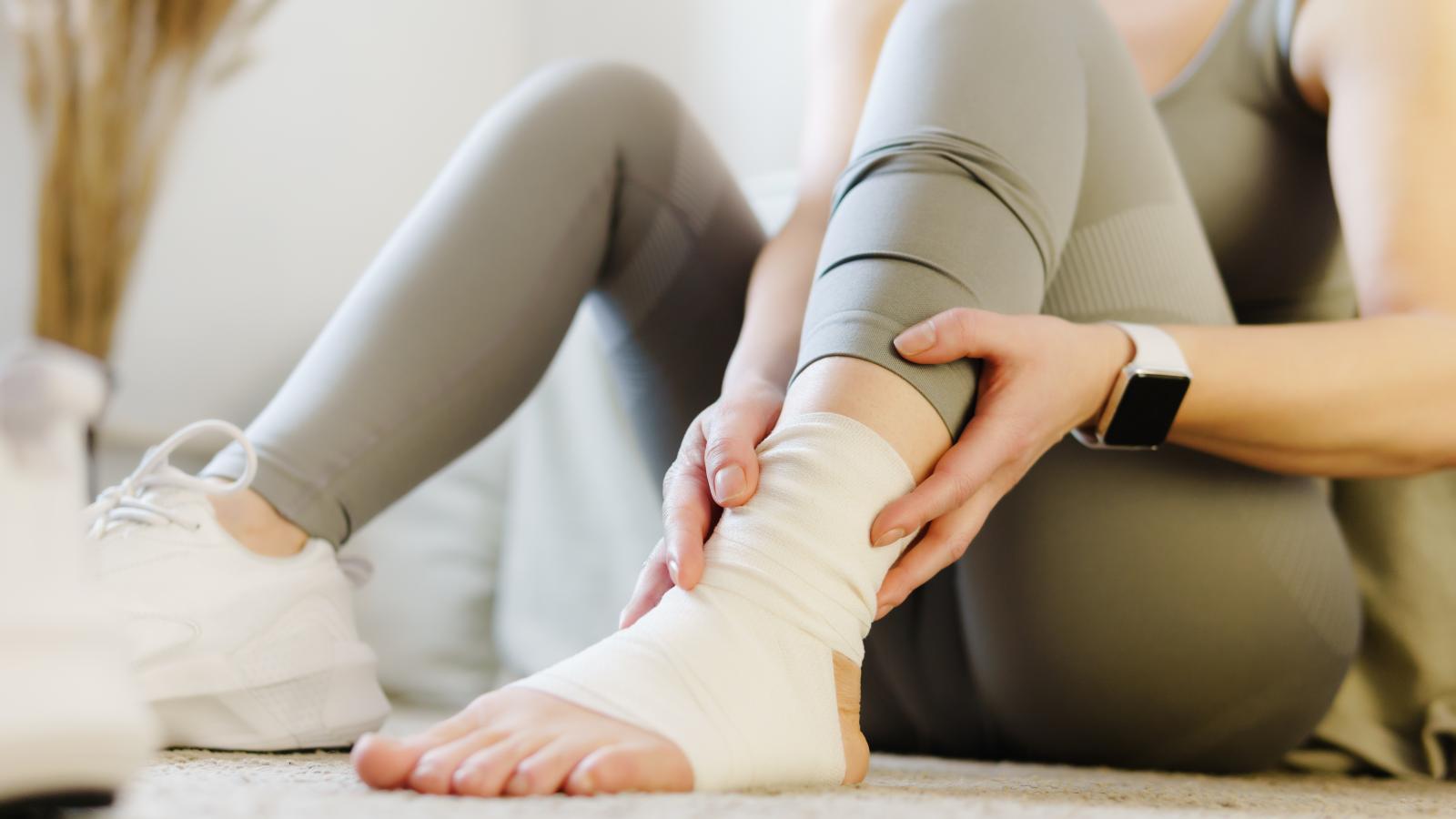
Athletes constantly push their bodies to the limit, seeking peak performance and endurance. However, the demands of sports, whether competitive or recreational, place significant stress on the lower extremities. Foot and ankle injuries are among the most common problems athletes face, often sidelining them for weeks or even months. Understanding the strategies for preventing foot and ankle injuries is crucial not only for maintaining performance but also for ensuring long-term musculoskeletal health.
The complexity of the foot and ankle, which comprises 26 bones, 33 joints, and over 100 muscles, tendons, and ligaments, makes it especially vulnerable to injury. Sprains, fractures, tendonitis, plantar fasciitis, and stress fractures are common ailments that affect athletes across all levels. While some injuries are unavoidable due to the inherent risks of sports, many can be mitigated through proactive measures. By combining proper training, equipment, and medical care, athletes can significantly reduce the likelihood of debilitating foot and ankle injuries.
Understanding Common Foot and Ankle Injuries in Athletes
Injuries of the foot and ankle vary in severity, but recognizing the most common types helps in tailoring prevention strategies. Ankle sprains, particularly lateral sprains, are the most frequent injury in sports involving running and jumping. They occur when ligaments are stretched or torn due to sudden twisting or rolling of the ankle. Symptoms include pain, swelling, bruising, and reduced mobility.
Plantar fasciitis, a condition characterized by inflammation of the tissue along the bottom of the foot, is another frequent problem among runners and athletes who perform repetitive impact activities. Stress fractures, small cracks in bones often caused by overuse, can develop in the metatarsals or calcaneus. Achilles tendonitis, inflammation of the Achilles tendon, typically affects athletes engaging in high-impact activities such as basketball or track and field. Understanding these injuries provides insight into the preventive measures needed to maintain athletic performance and overall foot health.
The Role of Proper Footwear
One of the most effective ways of preventing foot and ankle injuries is through appropriate footwear. Athletic shoes are designed to absorb shock, provide stability, and support the unique mechanics of the foot. Choosing shoes tailored to the specific sport is crucial; for example, running shoes should offer cushioning and arch support, while basketball shoes should prioritize ankle stability.
Equally important is ensuring that footwear fits correctly. Shoes that are too tight can lead to blisters, bunions, and stress injuries, while loose shoes increase the risk of sprains and falls. Replacing worn-out shoes is essential since the cushioning and support deteriorate over time. Orthotics or custom insoles may be recommended for athletes with biomechanical issues such as flat feet or overpronation, further reducing the risk of injury.
Strengthening and Conditioning for Injury Prevention
Athletes often focus on cardiovascular endurance and sport-specific skills, but neglecting foot and ankle strength can lead to imbalances and injuries. Targeted exercises can improve stability, proprioception, and muscular endurance, which are critical for preventing injuries.
Calf raises, toe curls, and resistance band exercises strengthen the muscles supporting the ankle and foot. Balance training, such as standing on one leg or using wobble boards, enhances proprioception, allowing athletes to respond more effectively to sudden changes in movement. Incorporating these exercises into a regular training routine can reduce the incidence of sprains, strains, and overuse injuries.
The Importance of Proper Warm-Up and Flexibility
Warming up before activity prepares muscles, tendons, and ligaments for the stresses of exercise. A dynamic warm-up that includes jogging, lunges, and ankle rotations increases blood flow, enhances flexibility, and reduces stiffness. Stretching the calves, Achilles tendon, plantar fascia, and intrinsic foot muscles improves range of motion, which is essential for injury prevention.
Post-activity stretching and recovery routines are equally important. Cooling down with gentle stretches and using foam rollers or massage tools helps reduce muscle tension and inflammation. Maintaining flexibility in the lower extremities not only prevents acute injuries but also decreases the risk of chronic conditions associated with repetitive stress.
Surface Awareness and Training Modifications
The surfaces on which athletes train and compete also play a significant role in injury risk. Hard or uneven surfaces increase the likelihood of ankle sprains, stress fractures, and joint inflammation. Whenever possible, athletes should practice on well-maintained fields, tracks, or courts that provide adequate traction and shock absorption.
Training modifications are another preventive strategy. Gradually increasing intensity, duration, and frequency allows bones and soft tissues to adapt without overloading. Alternating high-impact activities with low-impact options, such as swimming or cycling, can reduce repetitive stress on the foot and ankle. Monitoring fatigue levels and scheduling adequate rest is vital, as tired muscles are less effective at stabilizing joints and absorbing impact.
Early Detection and Professional Intervention
Even with preventative measures, injuries can still occur. Early detection and intervention are crucial to prevent minor issues from escalating into severe problems. Athletes should pay attention to signs of pain, swelling, or discomfort in the feet and ankles, as these may indicate an underlying injury. Ignoring early symptoms can result in longer recovery times and chronic conditions.
Consulting with a podiatrist or sports medicine professional is recommended for athletes experiencing recurrent injuries or persistent pain. Diagnostic tools such as imaging, gait analysis, and biomechanical assessments allow healthcare providers to develop personalized prevention and treatment plans. Professional guidance not only aids in recovery but also helps athletes implement long-term strategies for preventing foot and ankle injuries.
Nutrition and Overall Health Considerations
While external measures such as footwear and training techniques are critical, overall health and nutrition also influence injury risk. Adequate intake of calcium, vitamin D, and protein supports bone strength and muscle recovery, reducing the risk of stress fractures and soft tissue injuries. Hydration and balanced diets help maintain tissue elasticity and muscular endurance, which are essential for joint stability.
In addition, managing body weight relative to activity level reduces excessive stress on the lower extremities. Excessive weight can increase the load on the feet and ankles, accelerating wear and tear and contributing to overuse injuries. A holistic approach combining nutrition, conditioning, and proper training is the most effective way to maintain healthy, resilient lower extremities.
The Psychological Component of Injury Prevention
An often-overlooked factor in preventing foot and ankle injuries is the mental approach to training and competition. Fatigue, stress, and distraction can compromise an athlete’s coordination and decision-making, leading to missteps or improper movements. Mindfulness techniques, mental rehearsal, and focused attention during training enhance neuromuscular control, improving overall stability.
Athletes who cultivate a balanced mental approach to their sport are better equipped to respond to unexpected movements, avoid hazardous situations, and maintain safe mechanics during intense activity. Recognizing the psychological dimension of injury prevention completes a comprehensive strategy for foot and ankle health.
Conclusion
Preventing foot and ankle injuries in athletes requires a multifaceted strategy that addresses biomechanics, strength, flexibility, equipment, surface conditions, and overall health. By taking proactive steps such as selecting proper footwear, implementing strength and balance exercises, warming up adequately, and seeking professional guidance when necessary, athletes can minimize their risk of injury.
Keep an eye for more latest news & updates on iTrader Coin!
About the Author