RV Trip
Embarking on your first RV adventure can be one of the most exciting experiences of your life. Whether you plan to explore nearby campgrounds, take a cross-country journey, or spend weekends enjoying nature, an RV gives you the freedom to travel at your own pace. However, successful trips require thoughtful planning—especially if you’re new to the RV lifestyle. From choosing the right vehicle to organizing your route, here are essential RV trip planning tips for beginners.
Start by Choosing the Right RV
Before you hit the open road, the first step is deciding whether to rent or buy an RV. Renting can be a great way to test different models and learn what suits your travel style. If you plan to take frequent trips or live on the road full-time, investing in your own RV may be the better option.
When considering an RV purchase, think about:
- Size and layout: Do you need a compact campervan for short trips or a large Class A motorhome for family adventures?
- Budget: Factor in not just the price of the RV but also ongoing expenses like insurance, maintenance, and campground fees.
- Lifestyle needs: Consider whether you’ll need a full kitchen, extra sleeping areas, or towing capabilities.
Taking time to choose the right RV ensures your trips will be both comfortable and practical.
Plan Your Route Carefully
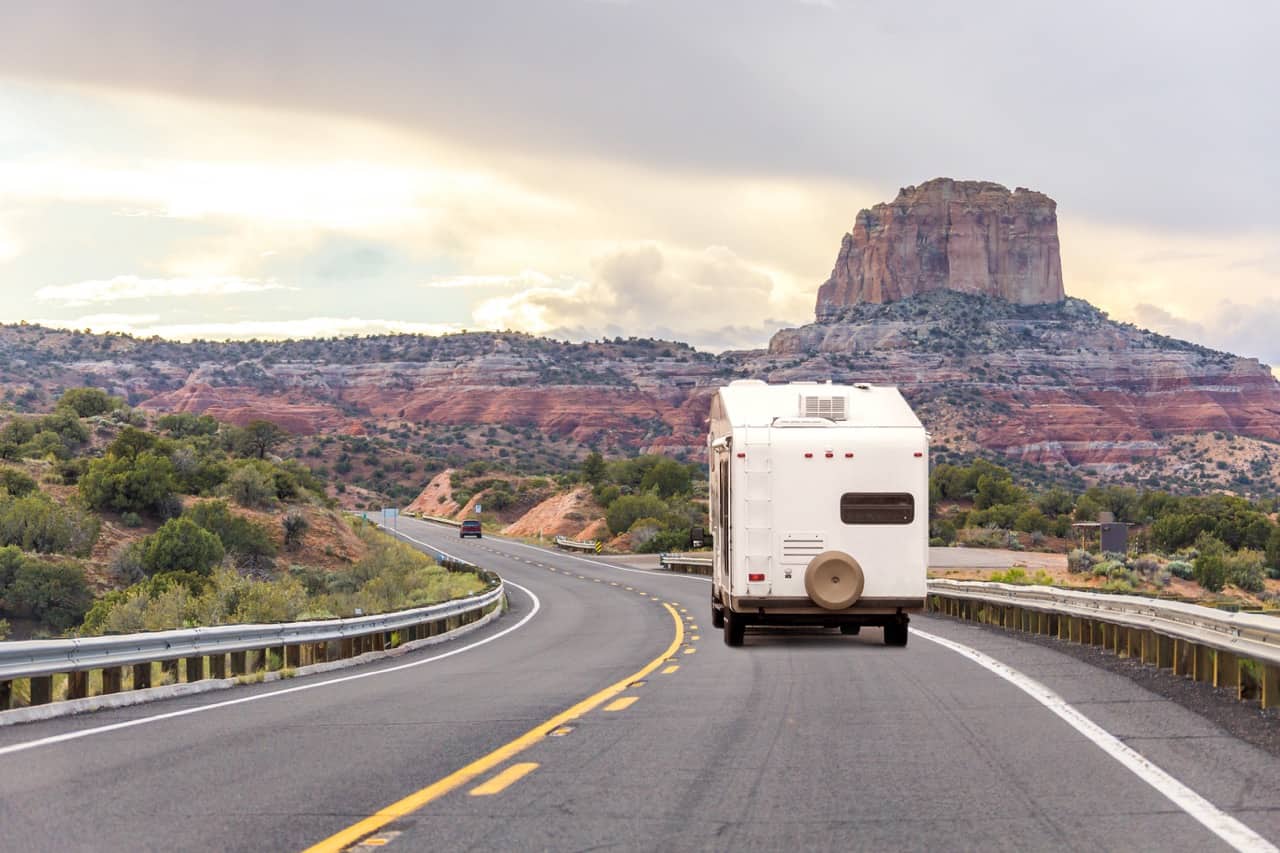
A common mistake for new RV travelers is underestimating travel time. RVs move slower than regular cars, and certain roads, bridges, and tunnels may have restrictions on height or weight. Use RV-friendly GPS apps or trip planning tools designed specifically for motorhomes.
When mapping out your route, always:
- Allow extra time for fuel stops, meals, and rest.
- Identify RV-friendly gas stations and service areas.
- Check campground availability in advance, especially during peak seasons.
A well-planned route reduces stress and allows you to focus on enjoying the journey rather than worrying about logistics.
Pack Smart for the Road
Packing for an RV trip is different from packing for a hotel stay. Space is limited, and weight must be managed carefully. Essentials include bedding, cookware, camping chairs, and a first-aid kit. Be mindful not to overpack; every extra item adds weight and affects fuel efficiency.
Make a checklist that includes:
- Kitchen basics (pots, pans, utensils, and non-perishable foods).
- Clothing for various weather conditions.
- Safety gear such as fire extinguishers, flashlights, and roadside tools.
- Entertainment options like books, games, or portable devices for downtime.
Remember, the goal is to have what you need without overcrowding your space.
Learn the Basics of RV Maintenance
Before you take your first long trip, familiarize yourself with basic RV maintenance. Understanding how to check tire pressure, monitor fluid levels, and troubleshoot electrical systems can prevent breakdowns and delays. Keep a toolkit and spare parts handy for minor repairs on the road.
If you buy an RV, schedule regular service checks with a qualified technician to keep it in top shape. Preventive care not only extends the life of your RV but also keeps you safe during your travels.
Choose the Right Campgrounds
Not all campgrounds are the same. Some offer full hookups with water, electricity, and sewage, while others provide only basic amenities. When booking campsites, check for:
- RV size restrictions.
- Availability of pull-through sites for easier parking.
- Access to Wi-Fi, restrooms, or recreational facilities.
- Proximity to attractions or natural sites you want to explore.
Beginners often find it easier to start with RV parks that provide full hookups before venturing into more remote camping.
Practice Driving and Parking
Driving an RV is very different from driving a car. Before your trip, practice maneuvering in an open lot to get comfortable with turning, braking, and reversing. Use your mirrors and backup cameras to improve visibility, especially when parking in tight spaces.
Confidence in driving makes the journey smoother and safer for everyone on board.
Enjoy the Journey, Not Just the Destination
RV travel is about freedom and flexibility. Unlike traditional vacations, you can adjust your plans on the go—stay longer in a scenic spot or take a detour to visit a hidden gem. Embrace the slower pace and focus on the experiences along the way.
Final Thoughts
Planning an RV trip as a beginner may seem overwhelming, but with preparation, it becomes an enjoyable and stress-free adventure. Start by deciding whether to rent or buy an RV, then map out your route, pack smart, and learn the essentials of RV care. Most importantly, remember that the beauty of RV travel lies in the journey itself. By following these tips, you’ll be well on your way to creating unforgettable memories on the open road.
About the Author